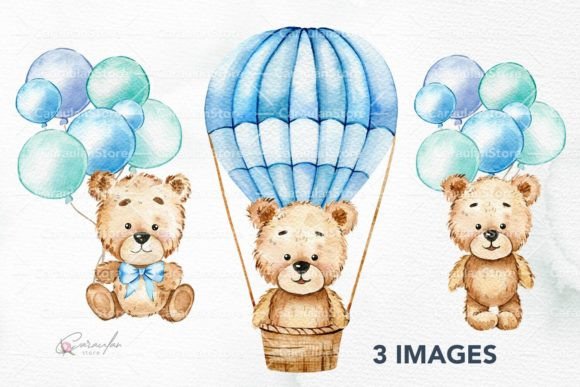
Teddy Bear Watercolor Illustrations: A Charming Design Asset
There's a particular kind of warmth that only watercolor can bring to a design. It's soft, organic, and slightly imperfect in a way that feels deeply human. When that technique is applied to a universally loved subject like a teddy bear, the result is an illustration that carries instant emotional resonance. Teddy Bear Watercolor Illustrations are more than just cute pictures; they are versatile design assets that blend a hand-painted aesthetic with a subject that evokes nostalgia, comfort, and innocence. This makes them incredibly useful for a wide range of projects, from personal crafts to professional branding.
The Visual Character of Watercolor Teddy Bears
The appeal of these illustrations lies in their distinct visual style. They typically feature soft, blended washes of color that mimic real watercolor paint on paper. You'll see gentle gradients, subtle texture from "paper grain," and perhaps the occasional soft bleed of one color into another. The lines are often sketchy and informal, avoiding hard digital edges. This style gives the Teddy Bear PNG nursery clipart a handmade, artisanal quality. The personality is gentle, playful, and trustworthy—a baby bear with balloons isn't just an image; it's a little character that tells a story of celebration and joy. This style sits comfortably between traditional illustration and modern digital design, offering the best of both worlds: the charm of handcraft and the precision of digital assets.
Practical Applications Across Creative Fields
Understanding where these illustrations shine is key to using them effectively. Their strength is in projects that aim for a friendly, approachable, and celebratory tone.
- Event & Party Decorations: This is a natural fit. Use Baby Shower Clipart or It’s a boy clipart to create cohesive suites of party supplies. Think invitation cards, cupcake toppers, favor tags, and welcome banners. The watercolor style ensures everything looks coordinated and thoughtfully designed, not like generic clip art.
- Branding & Packaging: For businesses targeting new parents, children's products, or cozy lifestyle brands, these illustrations can become a core part of the brand identity. A watercolor teddy bear can soften a logo, add personality to packaging design, or make product labels feel more premium and caring. It’s a way to communicate warmth without saying a word.
- Digital & Print Publishing: Bloggers and content creators can use them to break up text-heavy articles, illustrate points about parenting or gift-giving, or create engaging social media graphics. For publishers, they work beautifully as spot illustrations in children's books, magazine features, or as decorative elements in editorial design.
- Stationery & Printable Art: The high-resolution PNG format is perfect for print-on-demand services. Create printable wall art for nurseries, greeting cards for baby showers, or custom stationery. The watercolor teddy bear motif is timeless and doesn't feel overly trendy, ensuring your designs have a longer shelf life.
- Surface Pattern & Scrapbooking: For crafters and pattern designers, individual elements like the bear, balloons, or stars can be repeated or combined to create charming surface patterns for fabrics, wallpaper, or digital scrapbooking kits.
Making Strategic Design Choices
Simply having a beautiful illustration isn't enough. How you integrate it determines the project's success. Here’s how to think strategically about using these assets.
Evaluate the Project's Tone: First, ask if the whimsical, gentle nature of a watercolor bear aligns with your message. It's perfect for a baby product launch but might not suit a corporate finance report. The style communicates specific values—care, creativity, softness—and that must match your project's goals.
Consider Visual Hierarchy and Readability: These illustrations are detail-rich and colorful. If you're using one as a background for text, you may need to add a semi-transparent overlay or place text within a solid-colored shape to ensure readability. In a logo, the bear might be the main mark, paired with a clean sans serif font for the company name to create balance. This contrast between an organic illustration and a structured typeface often creates a professional and engaging hierarchy.
Font Pairing is Crucial: The right typography can elevate the entire design. For a playful, handwritten feel, pair the bear with a script font or a friendly handwritten font. For a more modern, clean look that lets the illustration stand out, a simple sans serif font works wonders. Avoid overly ornate or heavy serif fonts that might clash with the illustration's delicate nature. Test a few combinations to see what best supports the bear's character.
Leverage the Full Kit: A good collection, like this one with multiple files, offers more than just a single bear. You might get the bear in different poses, with various accessories (like the balloons), or in separate layers. This allows you to create scenes, vary your designs across a project, and maintain consistency. For example, use the bear with balloons on the invitation and the bear alone on the thank-you tags.
Understand the Licensing: This is non-negotiable for professional use. Ensure the asset comes with a commercial font or illustration license that covers your intended use. Can you use it on products for sale? In client work? On social media? Clear licensing protects you and the creator, allowing you to use the design assets confidently in any project, big or small.
In the end, Teddy Bear Watercolor Illustrations offer a bridge between heartfelt artistry and practical design. They provide a solution for creators who need to inject genuine warmth and personality into their work without starting from scratch. By understanding their visual language and applying them thoughtfully, you can create projects that don't just look good—they feel good, too.